R1 trillion infrastructure drive faces a skills and maintenance test
Advertising
12-11-2026
Read : 19 times
Pretoria News
Source
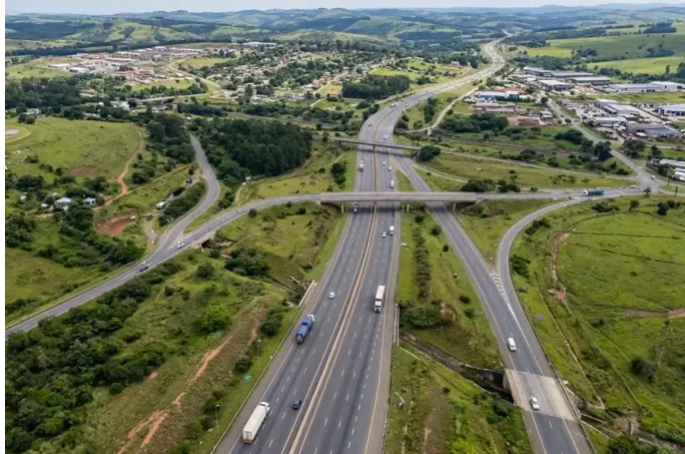
SOUTH Africa is committing more than R1 trillion to public infrastructure over three years. Announced by President Cyril Ramaphosa in the 2026 State of the Nation Address (Sona), this investment represents a major national undertaking.
But its success will depend on more than funding, project approvals and construction. It will depend on the people and institutions responsible for planning, building, inspecting, operating, maintaining and protecting these assets.
We cannot sustainably rebuild South Africa’s physical infrastructure without rebuilding the human capability required to protect it.
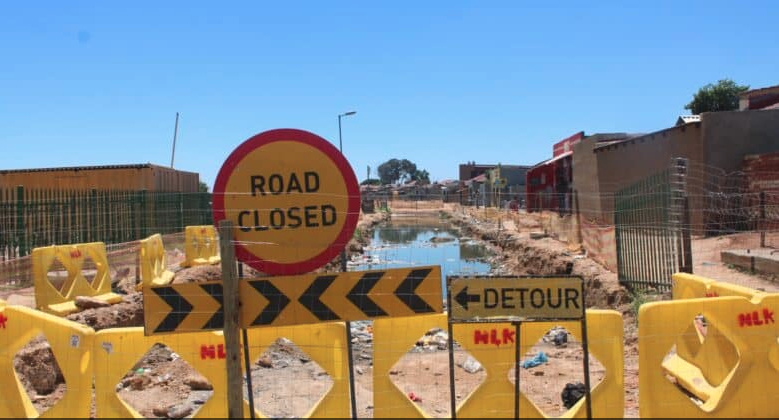
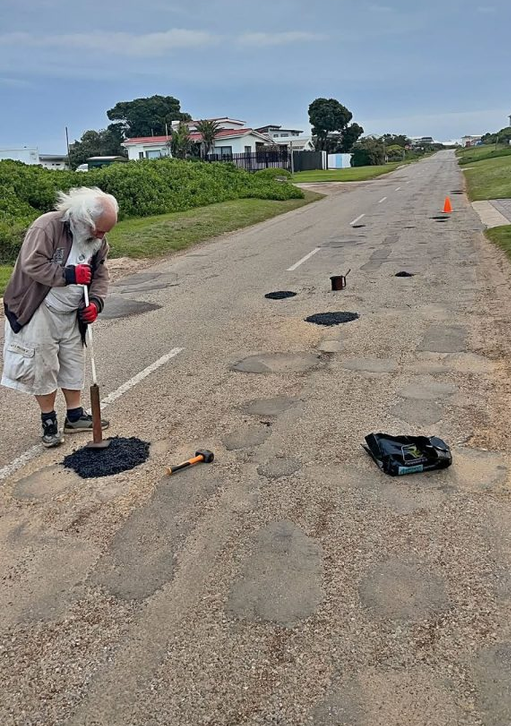
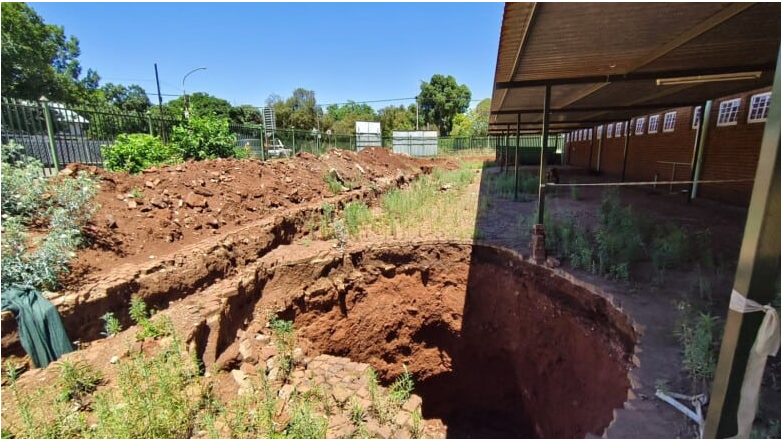
Across the country, deteriorating roads, failing water networks, wastewater systems and public buildings expose the consequences of inadequate maintenance, weak project execution and shortages of technical personnel. These failures undermine service delivery and place additional pressure on an already constrained public fiscus.
The Auditor-General’s 2024/25 local government audit findings illustrate the scale of the problem. Of 129 infrastructure projects examined across 59 municipalities and three municipal entities, 101 had audit findings. The average project delay was 25 months. Of 35 wastewater treatment works inspected, 22 discharged wastewater that did not meet required standards.
These are not simply administrative shortcomings. They mean delayed services, deteriorating public assets, environmental damage and higher costs to communities and the state.
The South African Human Rights Commission’s (SAHRC’s) November 2026 inquiry into water and sanitation in Gauteng provides a compelling example of the relationship between infrastructure failure and institutional capacity.
In Tshwane, the infrastructure backlog is estimated at R23 billion. Annual water losses are about 39%, valued at R1.7 billion. The City’s Water and Sanitation Business Unit has 768 unfunded positions within its establishment, alongside significant staffing and technical capacity constraints.
These findings demand an urgent response. Tshwane cannot wait for every institutional and financial constraint to be resolved before strengthening the capacity available to protect its infrastructure. The challenge is not confined to Tshwane; other municipalities and government departments face similar pressures. The response must therefore be national, coordinated and practical.
This infrastructure crisis coincides with another major challenge: the exclusion of young people from economic participation. Specifically, we must look beyond unemployment statistics to NEET youth, those not in employment, education or training.
This measure captures a wider form of exclusion than unemployment alone, including those outside the labour market who are not participating in skills development.
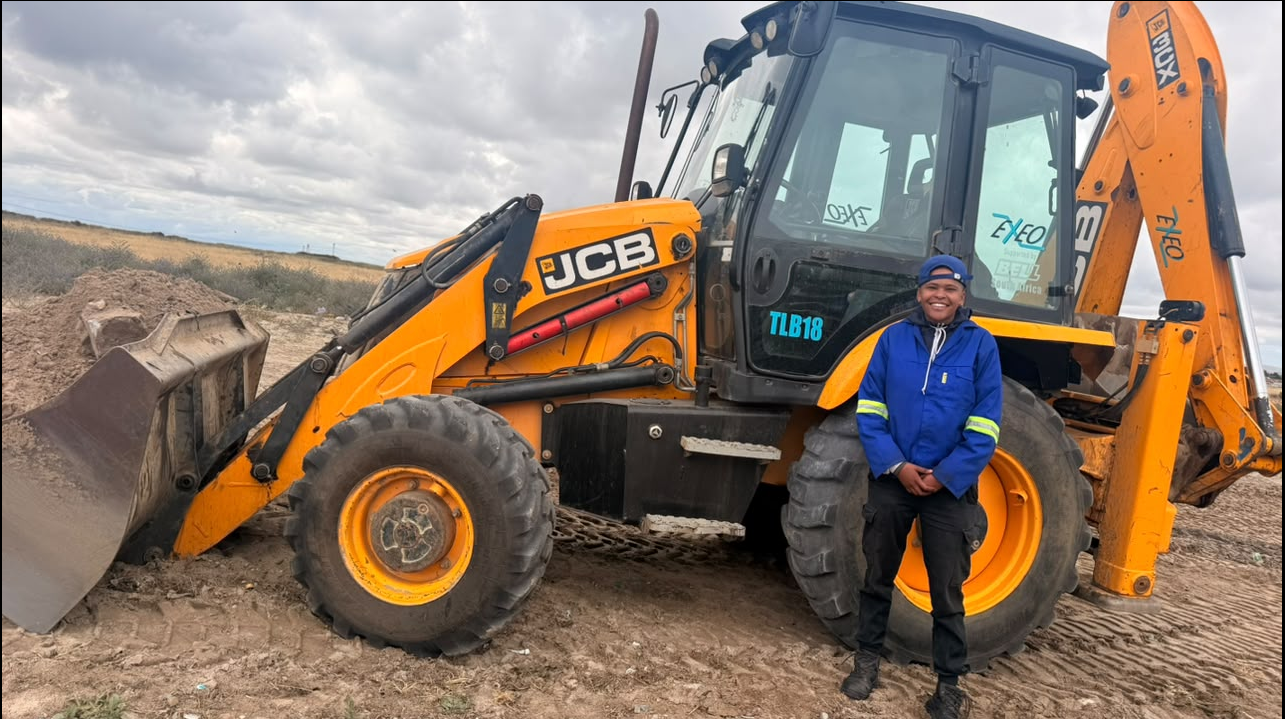
Within this population are graduates in Civil Engineering and the Built Environment who have completed recognised academic qualifications and demonstrated their intellectual ability, technical grounding, talent and resilience. Yet many remain outside employment because they cannot access the workplace experience needed to translate their qualifications into practical competence.
They must be recognised and mobilised as national assets, not reduced to another unemployment statistic, particularly when infrastructure is deteriorating, and the public fiscus is under severe strain.
South Africa has already invested in educating these graduates. Leaving this critical capability untapped while public infrastructure deteriorates is a national opportunity lost. The immediate task is to connect their academic grounding to supervised workplace experience and meaningful infrastructure programmes. This is not another training initiative detached from economic needs; it is about mobilising existing talent to address actual national priorities.
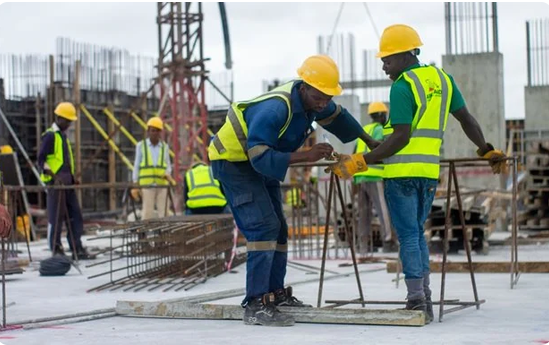
Municipalities and government departments should urgently open public infrastructure assets and projects as supervised workplace-learning environments for qualified students and graduates. This includes infrastructure inventories, condition assessments, inspection support, defect documentation, and identifying maintenance requirements.
All activities must be authorised, supervised and aligned with relevant professional scopes. Students complement permanent employees and registered professionals.
This is the basis of a “National Classroom” approach, connecting academic institutions, government, professional bodies and industry around real infrastructure needs. The approach can extend across water, sanitation, roads, bridges and public buildings, each supported by appropriate academic and occupational pathways.
Tshwane presents an immediate opportunity to implement this model. Its infrastructure backlog and technical capacity constraints make it imperative to use available institutional partnerships and structured workplace-learning programmes.
Under the Building Inspector Development Programme, participating students receive programme-supported stipends. Municipal hosts therefore do not need to budget directly for these stipends; they provide appropriate access to sites, competent supervision, safety arrangements and technical oversight.
The same opportunity exists in other municipalities, provincial and national departments. The government must identify suitable assets and projects and make them accessible for structured, supervised workplace learning.
The Building Inspector Development Programme, coordinated through Thamsanqa Career Pathways (TCP) in partnership with the University of Johannesburg (UJ), provides a practical and tested example. Successfully piloted in Gauteng, the programme has produced 248 graduates. This provides an established foundation for accelerated implementation rather than starting another initiative from scratch.
The 12-month programme combines six months of academic learning with six months of supervised workplace learning. Designed for qualified Civil Engineering and Built Environment graduates, it provides a structured route towards professional development in building inspection, competency and registration requirements.
UJ provides the academic foundation and quality-assured curriculum, while TCP coordinates graduate onboarding and connects the programme with stakeholders capable of providing workplace-learning opportunities.
Importantly, the programme aligns with recognised occupational qualifications and the professional development pathway through the South African Council for the Project and Construction Management Professions (SACPCMP).
Academic completion, workplace experience and professional registration are distinct but interconnected stages. The objective is to give graduates a credible route from academic achievement to practical competence.
The Gauteng pilot has established the foundation. The priority now must be to fast-track national rollout and expand the pipeline to more than 30 000 building inspectors, addressing the identified national shortage and strengthening inspection capacity.
This must be pursued within the same Medium-Term Framework period as the R1trln infrastructure investment. It would be a strategic contradiction to accelerate infrastructure spending while allowing the shortage of qualified inspectors to remain a constraint on asset protection. The two investments must advance together: infrastructure capital on one side and the human capability to safeguard that investment on the other.
While building inspection is particularly relevant given South Africa’s extensive public building portfolio, the principle extends beyond one occupation. We need structured pathways that connect graduates in different technical disciplines to the infrastructure systems their expertise is intended to serve.
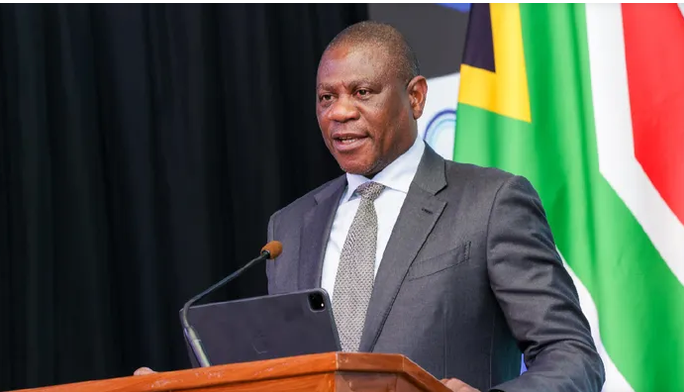
This intervention aligns with the national human-resource development agenda led by Deputy President Paul Mashatile as Chairperson of the Human Resource Development Council (HRDC). The Council brings government, business, labour and civil society together to align development with skills requirements.
At the South African Local Government Association National Executive Committee Lekgotla in February 2025, Deputy President Paul Mashatile stated: “Professionalisation is critical to ensuring that the Government is capable of delivering essential services to its citizens.”
At the Fifth HRDC Summit in April 2026, he reinforced the importance of accessible development pathways, stating: “Our responsibility is to keep development pathways open, relevant, and dignified.”
These statements affirm continuity in national policy direction, focusing on professionalising the state, closing critical skills gaps and creating meaningful pathways for young people. Mashatile has also identified implementation gaps, weak coordination and uneven ownership as obstacles, calling for the HRDC to intensify its role as convener, monitor and problem-solver.
The opportunity now is to translate these commitments into practical action. Governments, municipalities, universities, professional bodies and industry must work together to open workplace-learning opportunities.
The R1 trillion infrastructure commitment must be matched by deliberate investment in the people who will deliver and sustain these assets. South Africa cannot continue relying on emergency interventions while neglecting the technical capacity needed to avoid recurring failures. Nor can it afford to leave qualified young graduates outside the sectors where their expertise is needed.
The immediate task is clear. The government must identify suitable infrastructure projects and assets. Universities must provide the academic foundation. Professional bodies must uphold standards. Municipalities and public entities must provide supervised workplace-learning opportunities. Implementation partners must coordinate these efforts and ensure measurable outcomes.
Tshwane and other institutions should not wait for the next infrastructure failure before acting. The Gauteng pilot provides an existing foundation, the academic partnerships are established, and the national needs are evident.
The country already has qualified candidates with the potential to contribute and infrastructure that urgently needs skilled attention. What is required is the institutional coordination and political leadership to bring these two national resources together.
The measure of the R1 trillion investment must not only be what South Africa builds. It must also be the human capability it develops to inspect, maintain, protect, and manage those assets for generations to come.
* Xolani Hadebe is the founder and conceptual architect of Thamsanqa Career Pathways (TCP), a technology-enabled socioeconomic platform and post-matric bridging programme in South Africa. The views expressed here do not necessarily reflect those of IOL.
Recent News
Here are recent news articles from the Building and Construction Industry.
Have you signed up for your free copy yet?